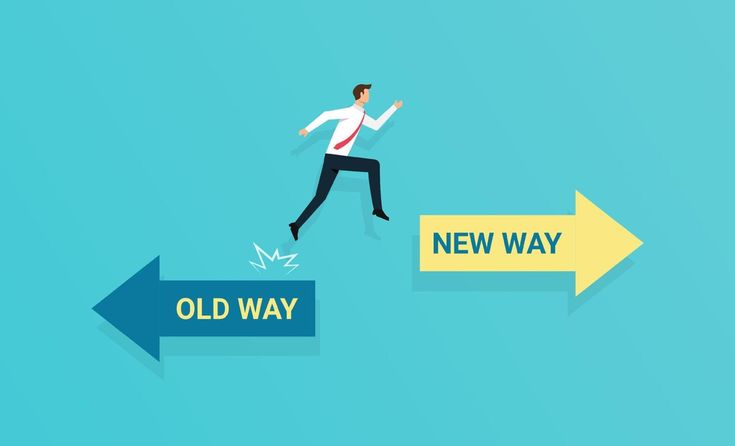
Marketing has usually been about one central idea: understanding people. This principle lies at the heart of the digital marketing evolution, which explains how businesses adapt to changing human behavior, expectations, and technology. Throughout the digital marketing evolution, successful marketing has always focused on knowing what people want, how they think, and how they make decisions, even as tools and platforms continue to change.
From how people think and what they need to how they interact with brands, marketing has evolved alongside human behavior and technological advancement. The digital marketing highlights a major shift from one way communication to two-way engagement, where customers actively participate in brand conversations. Over time, businesses have moved from distributing flyers and newspaper advertisements to running modern digital campaigns that reach global audiences within seconds. This transformation clearly shows how the digital marketing evolution has reshaped communication, accessibility, and customer relationships worldwide.
Let’s take a closer look at how marketing has progressed from the past to the present and where it is heading in the future through the lens of the digital marketing.
1. The Past: Traditional Marketing and Its Foundations
Before the internet, marketing relied heavily on traditional methods that focused on physical presence and mass communication. This stage represents the foundation of the digital marketing evolution, where brands aimed to reach large audiences using limited offline channels. Print advertisements, television and radio commercials, billboards, posters, and word-of-mouth marketing dominated this era.
These traditional approaches played an important role in shaping the early stages of the digital marketing. Despite limited technology, brands learned valuable lessons that still apply today. Building trust required consistency, storytelling helped create emotional connections, and understanding the target audience remained essential. These core principles continue to influence modern strategies throughout the ongoing digital marketing.
2. The Present: Digital Marketing Takes the Lead
As technology advanced and internet access expanded globally, marketing shifted online, marking a major turning point in the digital marketing evolution. Businesses gained the ability to connect with audiences instantly, engage in real time, and track performance with accuracy.
Today’s marketing strategies are driven by search engine optimization (SEO), social media marketing, content marketing, email campaigns, influencer collaborations, and paid advertising. Each of these channels exists because of the digital marketing, allowing brands to target audiences based on interests, behavior, location, and intent. Digital marketing has become more precise, measurable, and cost-effective than traditional methods, enabling businesses of all sizes to compete effectively.
By understanding and applying the digital marketing, businesses can build long-term relationships through value-driven content, personalization, and continuous engagement.
3. The Future: Smarter and More Human Marketing
The future of marketing represents the next stage of the digital marketing evolution, where technology and human creativity work together more closely than ever. Artificial intelligence, automation, and advanced data analytics are enabling brands to understand customer needs, preferences, and behavior at a deeper level.
Emerging trends within the digital marketing include AI-powered personalization, voice search through smart devices, data-driven decision-making, and purpose-driven branding. Consumers increasingly expect authenticity, transparency, and meaningful engagement from brands. Interactive content, short-form videos, immersive experiences, and visual storytelling will continue to shape how brands communicate in the future.
As the digital marketing continues, the key lesson for marketers is balance—using technology to enhance human connection rather than replace it.
4. The Role of Data and Personalization in Digital Marketing Evolution
One of the most significant aspects of the digital marketing evolution is the growing importance of data and personalization. Modern marketing strategies rely on data insights to understand customer journeys, preferences, and pain points. By analyzing this information, businesses can deliver personalized experiences that feel relevant and valuable.
Personalization within the digital marketing allows brands to deliver the right message at the right time, improving engagement, conversions, and customer loyalty. From customized emails to tailored website content and targeted advertising, data-driven marketing strengthens brand relationships. As privacy concerns increase, the future of the digital marketing will require a careful balance between personalization, transparency, and trust.
Conclusion
The journey of marketing—from print advertisements to digital storytelling—clearly reflects the digital marketing evolution. While tools, platforms, and technologies continue to change, the purpose of marketing remains the same: connecting people with brands they trust and relate to.
For businesses, understanding the digital marketing evolution helps build a stronger online presence, adapt to change, and achieve sustainable growth. For marketers, the digital marketing evolution offers an exciting opportunity to keep learning, innovating, and creating strategies that truly make an impact in an ever-evolving digital world.
For more information, take a look at out this website site.
Freelance digital marketer in dubai